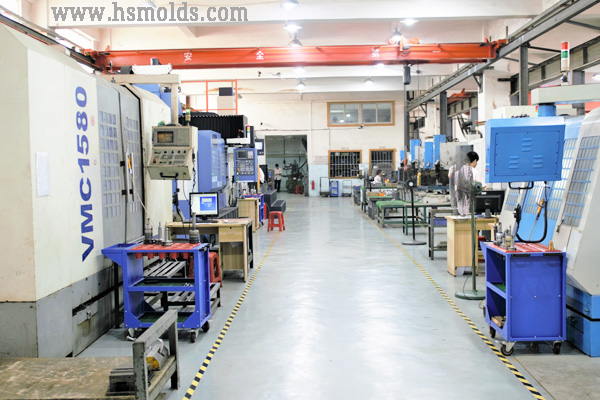
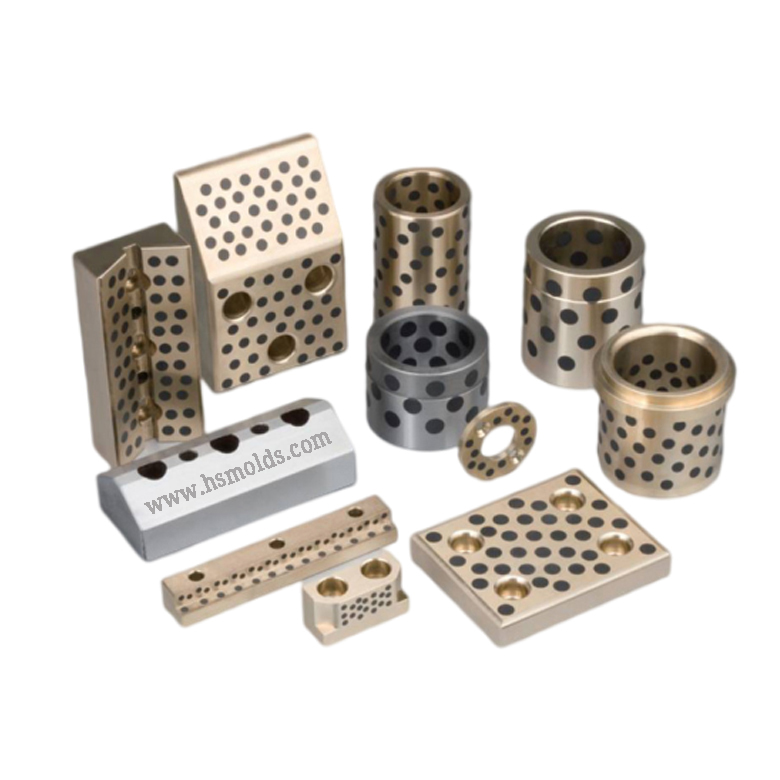
CNC Equipment and Machining Capability

Our cutting-edge machines allows us to manufacture parts with tolerances as precise as +/-.001”


HS Molds is a top provider of custom mechanical solutions. Our engineering, supply chain, and support teams function as an extension of our customers' teams to overcome any product design, manufacturing, and supply chain obstacles.

We are also specializing in manufacturing mechanical parts, such as CNC Machining, Milling and Turning. We understand how quickly product development moves in dynamic markets and that you need more than just a supplier. Being a top provider of quality machined parts made to our customers specifications, we technical team gives feedback based on our customers' desired manufacturing process and provide suggestions that do not hinder the functionality of the product.

From prototype to production, we are fully committed to meeting our customers’ machining needs with excellence and continued 100% superior quality craftsmanship.


OUTSIDE APPROVED SERVICES

  • Broaching
  • Grinding
  • Heat Treating
  • Honing
  • Lapping
  • Plating

MATERIALS

  • Aluminum
  • Brass
  • Bronze
  • Copper
  • Peak Plastics
  • Plastic Material (eg.ABS, Delrin, etc.)
  • Stainless Steel
  • Steel

OUR IN-HOUSE CAPABILITIES

  • Precision Machining
  • Production
  • Prototype
  • Milling
  • Turning
  • Light Assembly

CNC machine types used around mold and part manufacturing

CNC machining turns digital part data into controlled machine movement. The right machine type depends on the shape, material, access to each feature, surface requirement, tolerance, and the number of setups needed. In mold manufacturing, machining is also coordinated with EDM, grinding, wire cutting, fitting, and inspection rather than treated as an isolated step.

CNC milling machines

Milling uses rotating cutting tools to produce faces, pockets, holes, contours, inserts, fixture components, and many core and cavity features. Three-axis work suits features accessible from a stable orientation; more complex geometry may require indexed or multi-axis setups.

CNC turning machines

Turning rotates the workpiece and is efficient for round features such as diameters, bores, shoulders, threads, bushings, and pins. Some parts combine turning and secondary milling operations.

Grinding equipment

Grinding is used when flatness, size control, surface finish, or hardened material makes an abrasive process appropriate. It commonly supports mold plates, inserts, shutoffs, and precision mating surfaces.

EDM and wire cutting

EDM removes conductive material by electrical discharge. Sinker EDM can reproduce electrode geometry in deep or detailed features, while wire cutting is useful for accurate profiles, slots, and through-features.

How tight tolerances are planned

A tight tolerance is meaningful only when the feature, datum structure, material condition, surface finish, measurement method, and assembly function are understood together. Machine accuracy alone does not guarantee the finished result. Workholding, tool condition, thermal change, cutting strategy, stress relief, setup count, and inspection access can all affect variation.

HS Molds reviews drawing-specific tolerances before machining. Features that control fit or mold alignment receive priority in the setup and inspection plan. Where practical, related critical features are machined in the same controlled setup to reduce accumulated location error.

When are multi-axis setups useful?

Three-axis milling moves along the X, Y, and Z directions and is effective for many plates, pockets, and accessible surfaces. Indexed or multi-axis machining can reach angled or compound features with fewer manual reorientations. The manufacturing benefit is not the axis count by itself; it is reducing setups, improving tool access, and keeping related features aligned. Equipment and routing are confirmed against the actual drawing.

Machining quality from setup to inspection

The workflow starts with the current drawing and material specification, followed by stock preparation, datum and workholding selection, toolpath planning, machining, deburring, and inspection. First-piece results verify the setup. In-process measurements then monitor critical features, and final checks confirm the documented release condition.

See how machining fits mold manufacturing Review in-process inspection See engineering and drawing review

Frequently asked questions

What are the main CNC machine types used for molds and precision parts?

Common processes include CNC milling for faces, pockets, holes, and contours; CNC turning for round features; grinding for controlled size, flatness, and finish; and EDM or wire cutting for conductive materials and features that are difficult to mill.

What affects a tight machining tolerance?

The achievable result depends on the feature and datum scheme, material, workholding, tool condition, thermal change, cutting strategy, setup count, surface requirement, and measurement method. Each tight tolerance should be reviewed in the context of part function.

When is multi-axis CNC machining useful?

Indexed or multi-axis machining is useful when angled or compound features need better tool access or when fewer manual setups can keep related features aligned. The suitable machine and routing depend on the actual part drawing.